A Painfully Slow Reality
You pour your heart and soul into your website. The design is flawless, the content is compelling, and your products are ready to fly off the digital shelves. There’s just one devastating problem: your site takes 10 seconds to load.
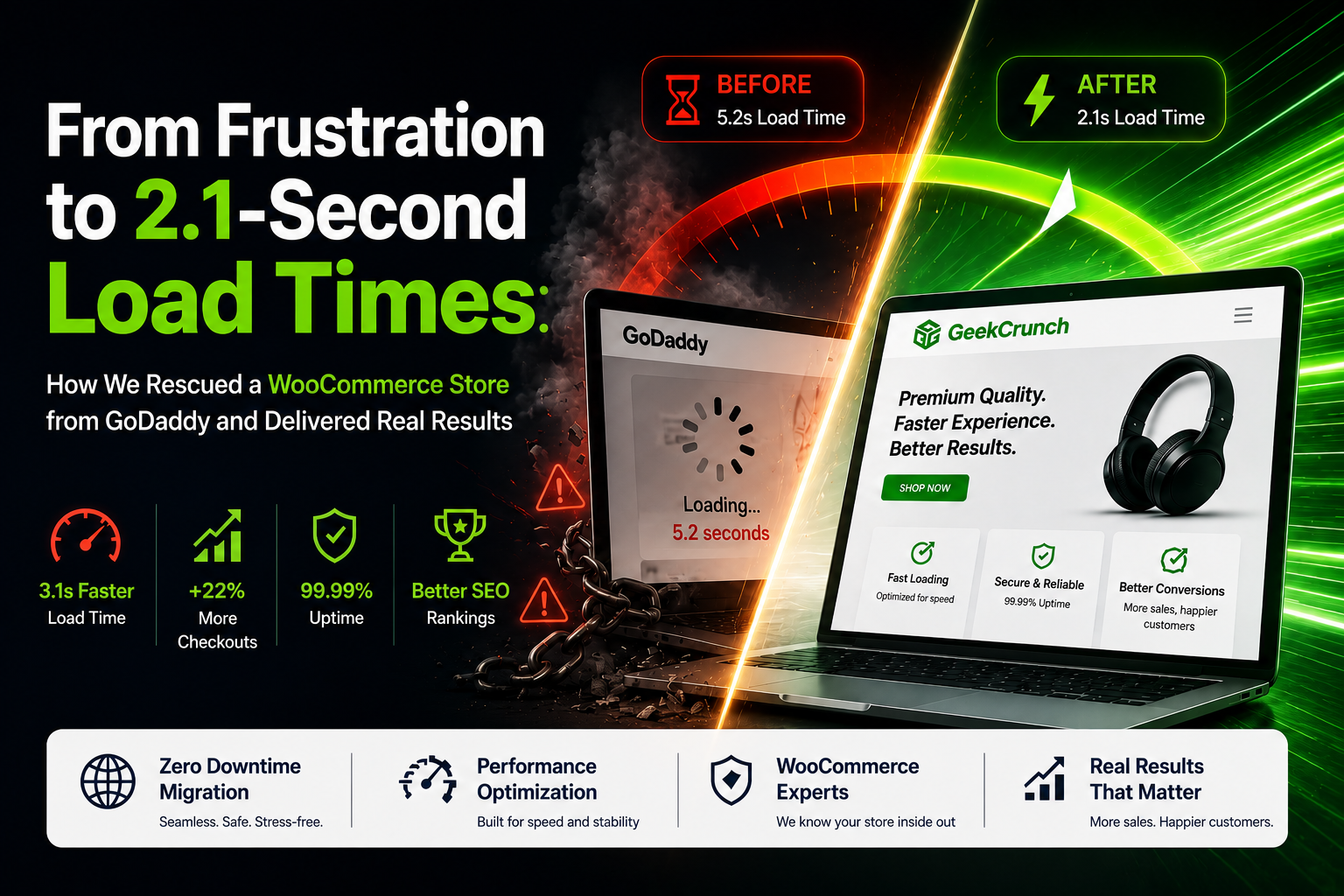
That was the frustrating reality for one of our clients. Their beautiful business website was being strangled by its own hosting environment. Imagine a potential customer clicking on a Google link, only to stare at a loading spinner for what feels like an eternity. In today’s digital age, that’s an eternity too long. Their bounce rates were climbing, their search engine rankings were sinking, and every second of delay was costing them real revenue and credibility.
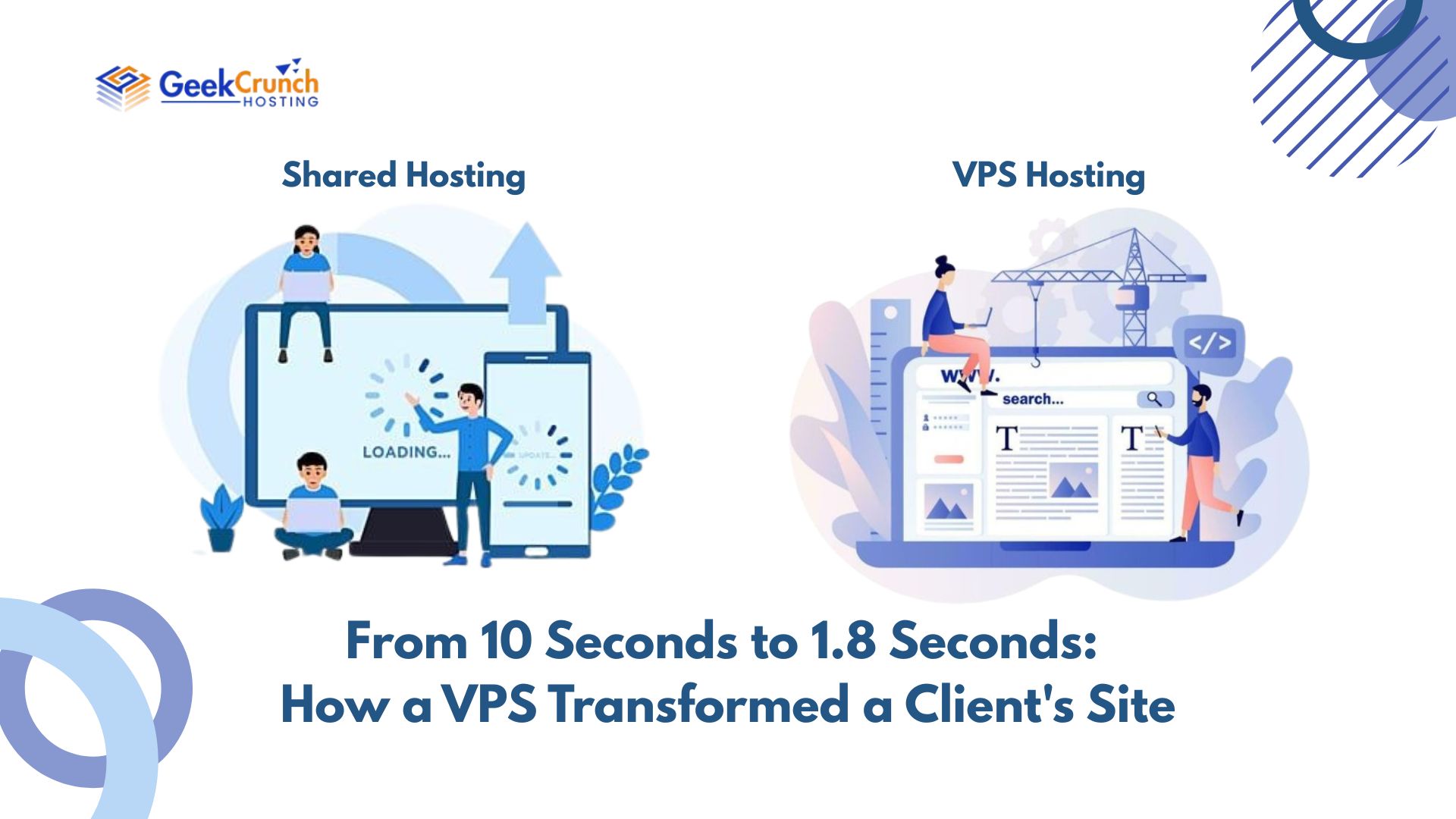
The question wasn’t if they needed a change, but what that change should be. The culprit? The very foundation their site was built. This is the story of how we diagnosed that critical bottleneck and transformed their online presence, slashing their load time from a painful 10 seconds to a blistering 1.8 seconds.
The Diagnosis: Unmasking the Shared Hosting Bottleneck
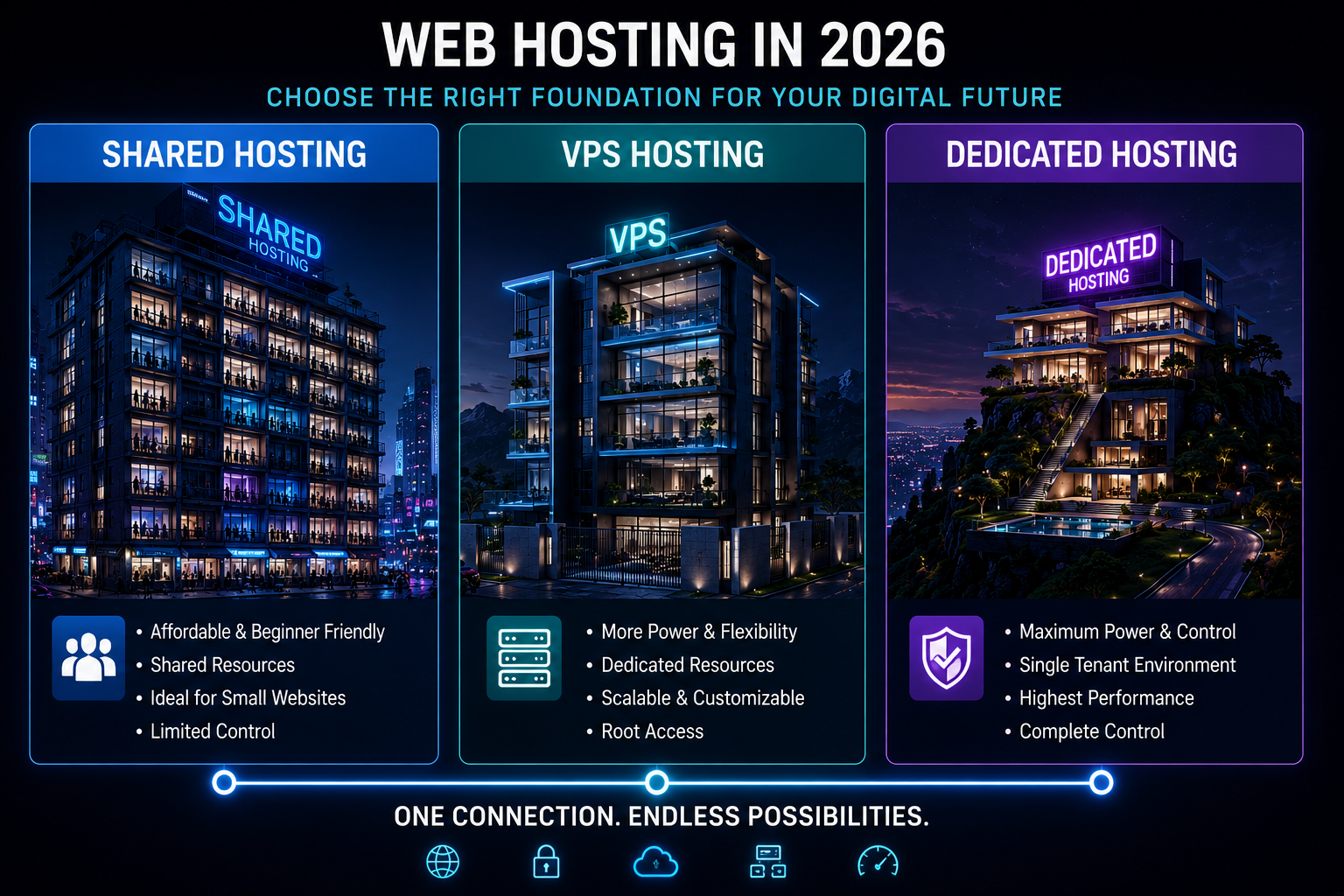
The client’s website was running on a popular and inexpensive shared hosting plan. To understand why this was the core of the problem, it helps to use a simple analogy: think of shared hosting like living in a large apartment building.
You have your own unit (your website), but you’re sharing the building’s fundamental resources, the water pressure, the electrical grid, and the parking, with all your neighbors. When one neighbor decides to blast their music, have a huge party, or run multiple industrial appliances, everyone else suffers. The water pressure drops, the lights flicker, and you can’t find a parking spot.
This is exactly what was happening to our client’s site. Their “apartment building” was overcrowded, and they had “noisy neighbors”, other websites on the same server, consuming the shared pool of CPU power, RAM, and bandwidth. When a neighboring site got a traffic spike, our client’s site was starved of resources, causing it to slow to a crawl or even time out.
- Our technical checks quickly confirmed the slowdown.
- GTmetrix and PageSpeed flagged a severely delayed TTFB.
- Good TTFB: under 200ms.
- Their TTFB: consistently 1200ms – a major red flag.
This metric is a direct reflection of server health, and it was a clear red flag. No amount of image optimization or caching plugins could fully fix a problem that originated at the server level. The foundation itself was unstable.
The Prescription: Why We Chose a VPS (Virtual Private Server)
Having identified shared hosting as the bottleneck, the solution was clear: we needed to move the client to an environment with guaranteed resources and no neighborly drama. The perfect solution was a Virtual Private Server(VPS).
If shared hosting is an apartment building, a VPS is your own standalone townhouse. You still share the physical plot of land (the powerful physical server), but you have your own private, walled-off unit with guaranteed resources that are yours and yours alone. No more fighting for parking or dealing with a neighbor’s midnight renovation project.
For this client’s struggling site, a VPSoffered the precise advantages we needed to achieve a transformative result:
Dedicated Resources: Unlike the shared pool of a crowded server, the VPS provided guaranteed vCPU cores and RAM. This meant the site had the consistent power it needed to handle traffic spikes and process requests instantly, without ever being throttled by another site’s activity.
Full Root Access: This was a game-changer for optimization. With full administrative (root) control over the server, we could install a high-performance web server like Nginx, fine-tune the PHP version and settings for speed, and configure a robust database. We were no longer limited by the host’s one-size-fits-all configuration.
Isolation:The “noisy neighbor” problem was eliminated. The client’s website now resides in its own isolated, virtualized environment. The traffic surges and resource-heavy scripts of other websites on the physical server had zero impact on our client’s performance and stability.
Scalability:As the client’s business continues to grow, the VPS can grow with it. Upgrading CPU or RAM is often as simple as selecting a new plan and restarting the server, providing a clear and painless path for future expansion without another disruptive migration.
The Transformation: A Step-by-Step Migration & Optimization
Moving from diagnosis to cure required a meticulous, multi-phase approach. This wasn’t just a simple “lift-and-shift”; it was a complete performance overhaul. Here’s a high-level look at the process that transformed the site’s foundation.
1. The Foundation – Laying the Groundwork
Our first step was selecting the right VPS plan to serve as the new, robust home for the website. We chose a plan with 2 vCPU cores and 4GB of RAM, a significant upgrade that provided a guaranteed power reserve for the site’s needs and future growth, without being overkill or unnecessarily expensive.
2. The Setup – Building a High-Performance Engine
With the server provisioned, we built a custom software stack designed for speed and efficiency. We replaced the standard, often bloated, setups with a lean, powerful configuration:
- Nginx is the web server, known for its high concurrency and low memory usage.
- PHP-FPM processes PHP code much more efficiently.
- MariaDB is the database, optimized with specific queries for faster data retrieval.
This tailored environment was the core of our speed strategy.
3. The Migration – A Seamless Transition
A website migration can be risky, but we ensured a smooth transition with minimal downtime. We carefully synchronized and moved all files, databases, and emails to the new VPS. The domain was then pointed to the new server, a process managed with precision to ensure that most visitors wouldn’t even notice the change happening in the background.
4. The Fine-Tuning – Squeezing Out Every Millisecond
The raw power of the VPS was now active, but our work wasn’t done. We implemented a suite of optimizations to maximize performance:
Caching Layer: We configured multiple layers of caching, including object caching for database queries and page caching for entire pages, drastically reducing server load.
Image Optimization:Existing images were compressed without sacrificing quality, slimming down page weight.
Content Delivery Network (CDN): We integrated a CDN to serve static assets (images, CSS, JavaScript) from a server geographically closer to each visitor, further reducing latency.
With this phased approach, the stage was set for the dramatic results we were about to witness.
The Reveal: Stunning Before-and-After Results
The moment of truth had arrived. After the migration and optimization were complete, we ran the same performance tests that had initially diagnosed the problem. The results were not just an improvement; they were a complete transformation.
The numbers spoke for themselves:
| Metric | Before (Shared Hosting) | After (VPS + Optimizations) |
| Full Page Load Time | 10 seconds | 1.8 seconds |
| Time to First Byte (TTFB) | 1200ms | < 200ms |
| Google PageSpeed Score | 45 (Poor) | 92 (Good) |
But the impact went far beyond technical scores. The real victory was in the business outcomes that followed:
The Bounce Rate Plummeted:Visitors were no longer greeted by a loading bar. They were engaging with the content immediately, causing the bounce rate to drop significantly.
Conversions Climbed:A fast site is a user-friendly site. The client reported a noticeable increase in contact form submissions and sales, as customers could seamlessly navigate the entire journey.
SEO Momentum Began:Within weeks, the site started to climb in search rankings for competitive keywords, as site speed is a critical ranking factor for Google.
Perhaps the most rewarding feedback came directly from the client:
“The difference is night and day. Our site finally feels as professional and responsive as our business is. It’s no longer a source of frustration but a powerful tool for growth.”
Is a VPS Right for Your Website?
After seeing such a dramatic transformation, you might be wondering if a VPS is the automatic next step for your own website. The answer is: it depends. While a VPS is a powerful upgrade, it’s not a one-size-fits-all solution.
You are likely a perfect candidate for a VPS if you are experiencing:
The Speed Plateau:You’ve optimized images, used caching plugins, and your site is still slow. This is a classic sign of server-level bottlenecks.
Traffic Growth: Your website is receiving more visitors, and your shared hosting is struggling to keep up, leading to downtime or slow performance during peaks.
Need for Control:You require specific software, security configurations, or development environments that your shared host doesn’t allow.
E-commerce or Membership Sites:If your website handles transactions, sensitive data, or user logins, the enhanced security and performance isolation of a VPS are significant advantages.
Frequent “Resource Limit Exceeded” Errors: This is your shared host telling you directly that you’ve outgrown your environment.
Sticking with shared hosting might still be a viable option if:
Your website is brand new and has low to moderate traffic.
You have a simple brochure site or blog that performs adequately.
Your technical comfort level is low, and you prefer a fully managed, hands-off approach.
Your budget is extremely constrained.
The key is to analyze your own site’s performance and business goals. If you’re seeing the warning signs we diagnosed earlier, investing in a VPS isn’t just a technical upgrade; it’s a direct
Conclusion: Speed is a Business Investment
The journey from a 10-second load time to a blistering 1.8 seconds is more than just a technical victory; it’s a powerful business lesson. Your choice of hosting is not merely a line item on an IT budget; it is the very foundation upon which your users’ experience, your brand’s reputation, and your search engine visibility are built.
For our client, the decision to upgrade to a VPS was a strategic investment that yielded immediate returns. It transformed their website from a source of frustration into a reliable engine for growth, directly impacting user engagement, conversions, and SEO. The guaranteed resources, complete control, and isolated environment of the VPS provided the stable, high-performance platform necessary to compete and win in today’s fast-paced digital landscape.
In an online world where a delay of mere seconds can mean a lost customer, speed is not a luxury; it is a necessity. Investing in the right infrastructure is one of the most impactful decisions you can make to ensure your website doesn’t just exist, but truly performs.